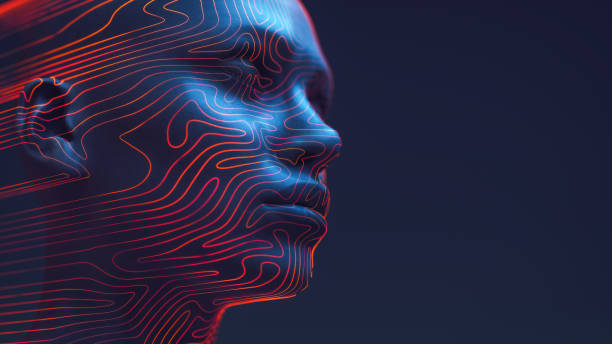
Have you ever seen an image online that looked so realistic that you couldn’t tell whether it was a real photograph or created by artificial intelligence?
AI image generation has improved dramatically. Today, you can create realistic portraits, product photographs, beautiful landscapes, professional advertisements, and detailed digital artwork simply by describing what you want.
You don’t need an expensive camera, a professional photography studio, or advanced graphic design skills. With the right AI tools and well-written prompts, you can turn your imagination into realistic-looking images.
Whether you are a blogger, graphic designer, photographer, business owner, or social media creator, learning how to create realistic images using AI can open up exciting creative opportunities.
In this guide, we’ll explain how AI image generation works, which tools you can use, and how to write better prompts for professional-quality results.
What Makes an AI-Generated Image Look Realistic?
Creating a realistic image requires more than simply typing “make a beautiful picture” into an AI tool.
You need to describe the subject, environment, lighting, camera perspective, textures, and other visual details.
SuperMaker AI: Generador de vídeo con IA todo en uno con audio
FLUX.2 Turbo vs Z-Image Turbo | Side-by-Side AI Comparison
HD Nature Backgrounds [Featured Photo Collection] – Depositphotos Blog
12
Here are some important elements that can improve realism:
- Natural lighting: Describe sunlight, soft shadows, studio lighting, or golden-hour lighting.
- Realistic textures: Mention skin texture, fabric details, wood grain, glass reflections, and other physical surfaces.
- Camera perspective: Specify close-up photography, wide-angle shots, portrait photography, or overhead views.
- Natural proportions: Describe realistic body proportions, object dimensions, and environmental details.
- Depth of field: Explain whether the background should be sharp or softly blurred.
- Composition: Tell the AI where the main subject should appear in the frame.
The more clearly you describe your desired result, the more control you have over the generated image.
Best AI Tools for Creating Realistic Images
1. ChatGPT Images
GPT-4o Image Generator – AI Images, Text Rendering & Editing
ChatGPT is a convenient option for creating realistic images through natural-language instructions.
You can describe an image, generate it, and request adjustments through conversation. This makes it particularly useful for beginners who want to refine small details without learning complicated editing software.
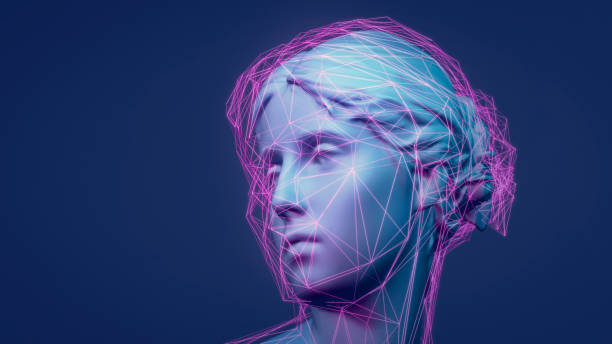
Best for: Realistic portraits, product photography, blog illustrations, and creative image editing.
Website: https://chatgpt.com/
2. Google Gemini
10 examples of Gemini app’s new “Nano Banana” image editing upgrade
Google Gemini offers AI image-generation and editing capabilities that help users create and modify visual content.
It is useful when you want to describe changes conversationally or work with reference images.
Best for: Realistic image editing, everyday photography concepts, and consistent visual projects.
Website: https://gemini.google.com/
3. Midjourney
Top 10 MidJourney Prompts Copy-Paste to Create Cinematic 4K Portraits on Instagram
Midjourney is known for producing visually impressive images with detailed textures, cinematic lighting, and carefully developed compositions.
It is especially useful for creators who want artistic control over the appearance and atmosphere of their images.
Best for: Cinematic photography, creative portraits, landscapes, and artistic visuals.
Website: https://www.midjourney.com/
4. Adobe Firefly
How to use AI Generated Backgrounds for Product Photography – Adobe Firefly
Adobe Firefly combines AI image generation with creative editing tools. It is particularly useful for designers who want to generate images and continue editing them within Adobe’s creative ecosystem.
Best for: Product images, advertising visuals, professional design workflows, and photo editing.
Website: https://firefly.adobe.com/
5. FLUX
imageV2 AI Image Generator – Text to Image, Image to Image, Reference Edits
FLUX is a family of image-generation models from Black Forest Labs. Its models are useful for detailed visual generation and workflows requiring greater technical flexibility.
Depending on the model and access method, developers can use hosted services or compatible local setups.
Best for: Photorealistic concepts, detailed objects, and customized image-generation workflows.
Website: https://bfl.ai/
6. Leonardo AI
Portraits With Realistic Skin Leonardo Ai Prompt | PromptBase
Leonardo AI provides creative image-generation and editing features that allow users to experiment with different visual styles.
It is useful for creating characters, product concepts, promotional images, and detailed digital artwork.
Best for: Character creation, digital artwork, and creative marketing visuals.
Website: https://leonardo.ai/
7. Stable Diffusion
Swedish woman face portrait – Stable Diff XL by superilluminar on DeviantArt
Stable Diffusion is an image-generation model family that provides extensive customization possibilities.
Advanced users can experiment with different models, settings, reference images, and workflows to achieve their desired results.
Best for: Advanced creators, customized image generation, and local workflows.
Website: https://stability.ai/
8. Ideogram
Ideogram 4.0: Generate design-ready image with open weight, layout control | Product Hunt
Ideogram is particularly useful when images need to include readable text and carefully arranged visual elements.
Although it is often associated with graphic design and typography, it can also support creative image-generation projects.
Best for: Advertising graphics, promotional visuals, and images containing text.
Website: https://ideogram.ai/
9. Recraft
Recraft V4.1 — Design-quality AI image generation in Picsart
Recraft offers AI-powered image and design generation with features for creating consistent visual assets.
It is useful for people working on branding, marketing materials, and creative business projects.
Best for: Brand visuals, product concepts, and graphic design assets.
Website: https://www.recraft.ai/
10. Krea AI
Krea AI Review: Dive into Real-Time Creative Workflows
Krea AI provides image-generation and enhancement workflows for creative users.
It can help you experiment with different image styles, improve visual quality, and refine generated designs.
Best for: Image enhancement, creative editing, and visual experimentation.
Website: https://www.krea.ai/
Comparison of the Best AI Tools for Realistic Images
| AI Tool | Main Strength | Best Use |
|---|---|---|
| ChatGPT | Conversational image creation | General photography |
| Gemini | Image editing | Realistic edits |
| Midjourney | Cinematic quality | Artistic photography |
| Adobe Firefly | Creative editing | Commercial design |
| FLUX | Detailed generation | Photorealism |
| Leonardo AI | Creative control | Characters and artwork |
| Stable Diffusion | Customization | Advanced generation |
| Ideogram | Text rendering | Advertisements |
| Recraft | Design assets | Branding |
| Krea AI | Image enhancement | Visual editing |
These recommendations are based on different strengths rather than a single universal quality ranking. The best tool depends on your intended image, editing needs, budget, and commercial-use requirements. Envato+3
Step-by-Step: How to Create Realistic Images Using AI
How A Portrait Photographer Captures Your Beauty in a Camera? – Photomiau
Now let’s look at a simple process you can follow to create realistic images.
Step 1: Choose an AI Image Generator
Select a tool according to your project. For example, try ChatGPT or Gemini for conversational image creation, and Midjourney for cinematic visual concepts.
Step 2: Describe Your Subject
Clearly explain what you want to generate.
For example, instead of writing “a man standing outside,” describe the person’s clothing, approximate age, pose, environment, and expression.
Step 3: Add Photography Details
Mention the camera perspective, lighting, depth of field, and composition.
Step 4: Describe Textures
Include realistic details such as natural skin texture, fabric folds, reflections, and environmental surfaces.
Step 5: Generate and Review
Create your first image and check whether the subject, background, lighting, and proportions look natural.
Step 6: Improve the Image
Ask the AI to correct specific problems instead of changing everything at once.
For example:
“Keep the same subject, clothing, and composition. Improve the natural skin texture, correct the lighting, and make the background more realistic.”
5 Professional AI Prompts for Realistic Image Generation
Here are five prompts you can copy and experiment with.
1. Realistic Human Portrait
AI Image Prompts for Men: 10 Realistic Examples
Create a highly realistic professional portrait photograph of an adult man standing outdoors. Natural facial features, realistic skin texture, detailed hair, authentic expression, soft natural daylight, realistic shadows, shallow depth of field, professional DSLR photography, sharp focus, and natural colors. Avoid artificial-looking skin and exaggerated facial proportions. Copy portrait prompt
2. Professional Product Photography
Free AI Perfume Bottle Photography Generator | Create Perfume Photos with AI
Create a professional commercial product photograph of a premium perfume bottle placed on a clean white studio surface. Realistic glass reflections, detailed bottle texture, softbox lighting, natural shadows, accurate proportions, sharp product details, clean composition, and high-end product photography. Copy product prompt
3. Realistic Interior Design
Luminex Windows – Modern Design | LUMINEX WINDOWS
Generate a photorealistic architectural photograph of a modern luxury living room with elegant furniture, marble flooring, large windows, warm natural sunlight, realistic fabric textures, detailed wall finishes, balanced lighting, and accurate architectural proportions. Professional interior photography, wide-angle composition. Copy interior prompt
4. Realistic Food Photography
맛있는 바삭바삭한 프라이드 치킨 버거를 클로즈업 사진 | PNG 무료 다운로드 – Pikbest
Create a highly realistic commercial food photograph of a freshly prepared crispy chicken burger with a golden toasted bun, fresh lettuce, juicy chicken, and natural sauce textures. Professional restaurant photography, soft studio lighting, detailed food textures, appetizing colors, shallow depth of field, and clean composition. Copy food prompt
5. Realistic Nature Photography
Idaho Travel – Discover the Gem State
Create a photorealistic landscape photograph of a beautiful mountain lake surrounded by green forests. Natural reflections on the water, realistic clouds, distant mountain details, golden-hour sunlight, atmospheric depth, balanced exposure, and professional outdoor photography. Copy nature prompt
Common Mistakes to Avoid When Creating Realistic AI Images
Even advanced AI image generators can produce images that look artificial or contain visual mistakes.
Here are some common problems to watch for:
- Overly smooth skin: Avoid excessive beauty filters and unrealistic skin descriptions.
- Incorrect proportions: Check hands, fingers, faces, and object dimensions carefully.
- Unnatural lighting: Make sure the light direction and shadows are consistent.
- Excessive details: Adding too many conflicting instructions can make the composition confusing.
- Incorrect text: AI-generated lettering may contain spelling errors, so review it carefully.
- Unrealistic reflections: Glass, water, and shiny surfaces should have believable reflections.
- Ignoring composition: Make sure the main subject is positioned correctly and not accidentally cropped.
Can You Use Realistic AI Images for Business?
Yes. AI-generated images can be useful for many business activities, including:
- E-commerce product presentations.
- Website banners and blog illustrations.
- Social media advertisements.
- Marketing campaigns.
- Restaurant promotional graphics.
- Interior design concepts.
- Brand storytelling.
However, always review the commercial licensing terms of your chosen AI platform. Avoid presenting synthetic product photographs or people as genuine photographs when doing so could mislead customers.
For portraits of real people, obtain appropriate permission before using their likeness in commercial materials.
Final Thoughts
Creating realistic images using AI is becoming easier and more accessible. You no longer need expensive photography equipment or advanced graphic design skills to produce impressive visuals.
The secret is choosing the right AI image generator and learning how to write detailed prompts.
For beginners, ChatGPT and Google Gemini are convenient starting points. Midjourney is excellent for artistic photography, while Adobe Firefly is useful for creative editing workflows.
Start with simple prompts, experiment with different lighting and camera descriptions, and gradually improve your results.
If you want to discover more AI tools, explore creative software, and learn practical artificial intelligence techniques, visit FocusAI.com.
Keep experimenting, keep creating, and turn your imagination into realistic visuals with AI!
Frequently Asked Questions (FAQs)
1. How can I create realistic images using AI?
Choose an AI image generator, describe your subject in detail, specify lighting and camera perspective, and refine the generated result until it looks natural.
2. Which AI tool creates the most realistic images?
ChatGPT, Google Gemini, Midjourney, and FLUX are strong options for realistic image generation. Results depend on the prompt and the type of image you want.
3. Can I create realistic human faces using AI?
Yes. Modern image generators can produce highly realistic-looking human portraits with detailed facial features, natural lighting, and realistic skin textures.
4. How do I make AI-generated images look less artificial?
Use clear descriptions of natural lighting, realistic textures, accurate proportions, authentic expressions, and professional photography techniques. Avoid excessive visual effects.
5. Can I create realistic product photos using AI?
Yes. You can generate product photography concepts with studio backgrounds, realistic reflections, natural shadows, and detailed product textures.
6. Are AI-generated realistic images free?
Some AI platforms offer limited free image generation. However, higher usage limits, advanced features, and commercial permissions may require paid plans.
7. Can I use realistic AI images for my blog?
Yes. AI-generated images can be useful for blog banners, article illustrations, and featured images, provided you follow the platform’s licensing conditions.
